
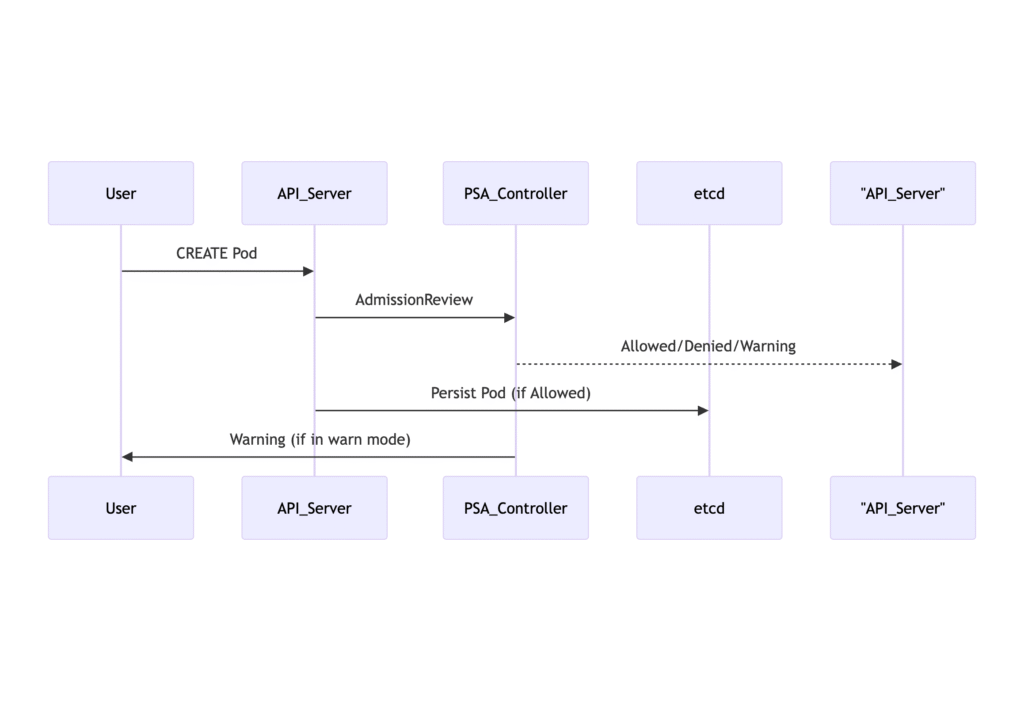
Pod Security Standards in Kubernetes
Learn best practices to enforce Pod Security Standards using Kubernetes Pod Security Admission Controller. Configure policies, label namespaces, audit and enforce coping with sensitive workloads.
Using Imperative Commands For Managing Kubernetes Objects
Kubernetes teams need rapid object management. This guide shows how to create, update, delete, and manage live Kubernetes objects on the fly. You learn syntax, patterns, workflow, and real command examples.
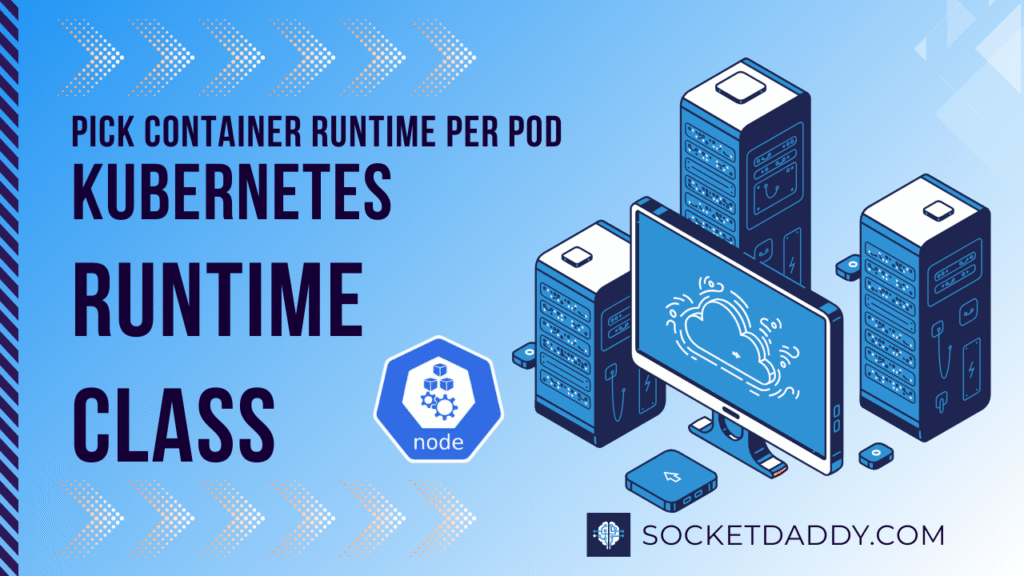
Runtime Class in Kubernetes To Pick Container Runtime Per Pod
Kubernetes uses Runtime Class to let you pick the container runtime per Pod. This article dives deep into Runtime Class architecture, spec fields, usage, CRI integrations, and production best practices.
Kubernetes Object Management Overview
Compare imperative commands, single-file YAML and declarative directories for Kubernetes object lifecycle. Choose method by environment and scale.
How to Update Your App in Kubernetes
Rolling updates let you deploy new container images without downtime. This guide walks you through updating your app image, tracking rollout status, rolling back when needed, and handling persistent volumes, access controls, and event-driven flows.

Certificates in Kubernetes
Kubernetes clusters require TLS certificates to authenticate API server, kubelets, and control plane components. This article explains certificate generation, signing, rotation, and revocation.

Kafka Topic Naming Conventions: Best Practices
Kafka Topic Naming Conventions have been one of the hotly debated topics. Read some of the best practices in naming Kafka Topics.
Scale Your App in Kubernetes
This guide shows how to scale your application manually using the Kubernetes Basics tutorial. You learn to adjust replica counts, observe new pods, and maintain service availability without downtime.