
Kubernetes Official CVE Feed – Consume and Process
This article explains how to consume the Official CVE Feed from Kubernetes. Learn to fetch JSON and RSS feeds, parse entries, integrate with event pipelines, and automate alerts for new security issues.

Kubernetes Scheduling Policies
Learn how Kubernetes deprecated legacy scheduling policies in v1.23 and how to migrate to Scheduler Configuration with detailed examples and workflow.
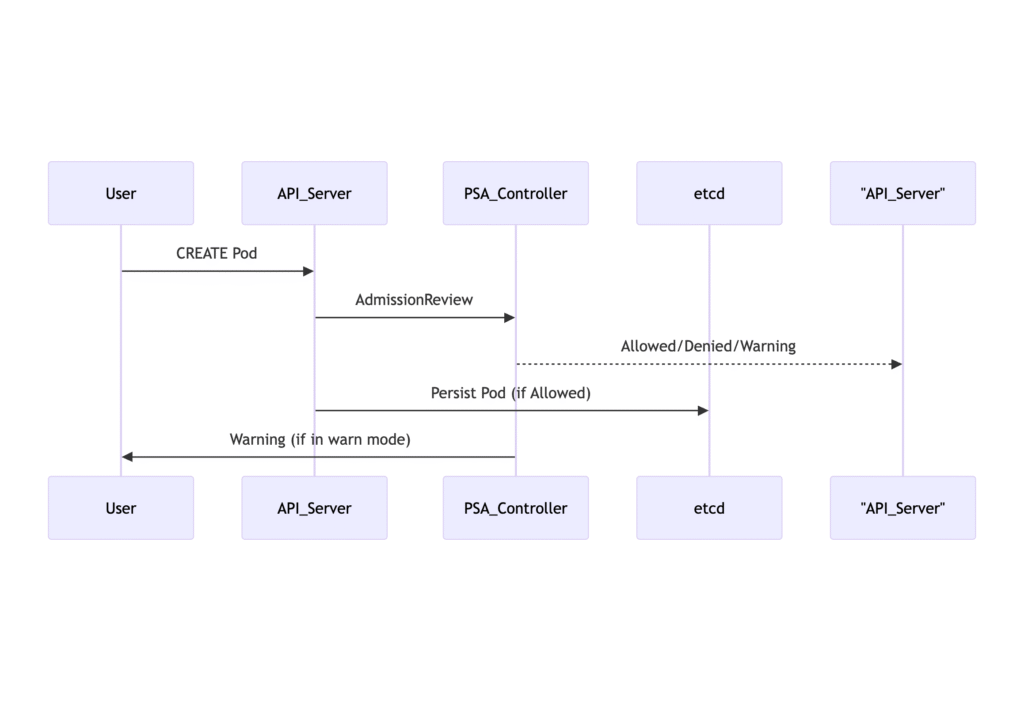
Pod Security Standards in Kubernetes
Learn best practices to enforce Pod Security Standards using Kubernetes Pod Security Admission Controller. Configure policies, label namespaces, audit and enforce coping with sensitive workloads.

Understanding Proxies in Kubernetes
Learn how kubectl proxy, apiserver proxy, and kube-proxy route traffic, enforce security, and integrate within Kubernetes clusters.
Using Imperative Commands For Managing Kubernetes Objects
Kubernetes teams need rapid object management. This guide shows how to create, update, delete, and manage live Kubernetes objects on the fly. You learn syntax, patterns, workflow, and real command examples.
Runtime Class in Kubernetes To Pick Container Runtime Per Pod
Kubernetes uses Runtime Class to let you pick the container runtime per Pod. This article dives deep into Runtime Class architecture, spec fields, usage, CRI integrations, and production best practices.

Kubernetes Object Management Overview
Compare imperative commands, single-file YAML and declarative directories for Kubernetes object lifecycle. Choose method by environment and scale.

Stateful Applications in Kubernetes – StatefulSets
Kubernetes StatefulSet delivers predictable pods and persistent volumes to meet those needs. This guide unpacks StatefulSet architecture, volume management, access controls and event-driven patterns in production-grade clusters.
How to Update Your App in Kubernetes
Rolling updates let you deploy new container images without downtime. This guide walks you through updating your app image, tracking rollout status, rolling back when needed, and handling persistent volumes, access controls, and event-driven flows.